
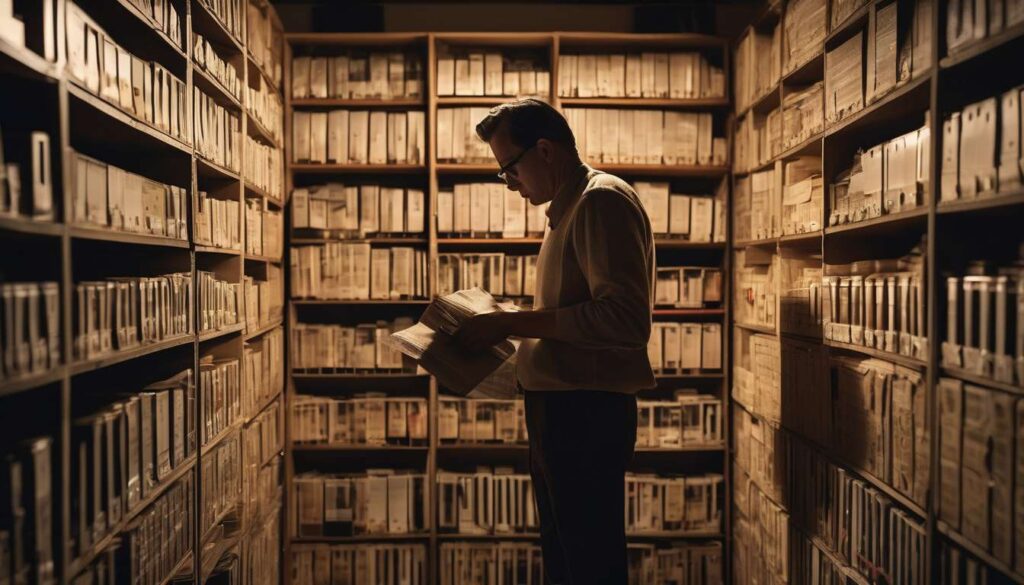
He stood before a row of filing cabinets, hesitated, then slid open a drawer to reveal decades of glossy covers, annotated scripts, and brittle correspondence we had assumed were lost.
This moment changed how we approached cultural preservation: these materials, dismissed by many as ephemeral or immoral, form a vital record of social norms, technology, and labor practices.
As archivists and researchers, we began tracing production notes, distribution logs, and fan letters, piecing together narratives that mainstream archives rarely acknowledge.
Our work uncovered several important intersections:
- censorship battles and legal struggles over expression
- queer communities finding visibility and creating networks
- innovations in filming, distribution, and exhibition that later influenced broader media industries
By treating adult movie media history with rigorous documentation and ethical stewardship, we challenge entrenched stigmas and expand the historical record.
This article maps our methods, highlights surprising discoveries, and argues for inclusive archival practices that recognize the complexity and cultural significance of materials often kept in the shadows.
Archival Discovery
In our archival discovery, we uncover forgotten reels, magazines, and correspondence that reshape how we understand the adult film industry’s history.
We approach these materials as a community responsibility, insisting that adult film archives be treated with the same rigor and respect as other cultural collections.
We acknowledge varied narratives — performers, crew, distributors, and audiences — and create spaces where those voices feel seen and safe.
We confront questions of ethical access head-on, balancing transparency with privacy and consent for people whose lives are represented.
- Develop clear access policies.
- Involve stakeholder communities in decision-making so access isn’t imposed but shared.
- Prioritize consent and the autonomy of those whose histories are held in the archive.
We focus on practical preservation strategies that are accountable to both the material and the people connected to it.
- Stable physical storage and environmental controls.
- Digitization protocols that include informed consent and provenance tracking.
- Documentation that centers context — production circumstances, participant perspectives, and distribution histories.
By doing this work together, we build an archival practice that honors dignity, fosters belonging, and ensures these cultural records endure for future generations.
Collection Strategies
We will prioritize targeted collecting that balances representative scope, donor collaboration, and clear consent practices to build a responsible, research-ready archive.
We will seek materials that reflect diverse creators, performers, production contexts, and audience reception, so adult film archives become inclusive centers where contributors feel seen and welcomed.
We will create acquisition policies that define formats, provenance expectations, and consent documentation, making it easy for donors to understand how their gifts will be used.
We will implement preservation strategies that combine physical storage standards, digitization priorities, and redundant backups to protect fragile media and born-digital content.
We will establish access tiers and user agreements that respect privacy while supporting scholarly inquiry, ensuring ethical access protocols are clear and consistent.
We will train staff and volunteers in handling sensitive materials and in outreach that builds trust with communities.
We will coordinate with related repositories and share best practices to strengthen networks that sustain long-term care, transparency, and shared stewardship of adult film archives for researchers, creators, and community members.
Ethical Stewardship
We commit to stewarding materials with respect for creators’ autonomy, performers’ privacy, and community values.
We will bake consent, transparency, and accountability into every collection decision.
We center people in our adult film archives by treating contributors and performers as partners, not objects.
- This includes creating welcoming policies that acknowledge contributors’ agency and dignity.
We prioritize ethical access by defining who may view sensitive materials, under what conditions, and with clear consent records.
- Consent records will be maintained and updated as circumstances change.
- Access policies will specify levels of restriction and review mechanisms.
We design preservation strategies that minimize harm.
- Restrict access when consent is absent.
- Anonymize materials when requested.
- Offer clear opt-out pathways for contributors and performers.
We document provenance, rights statements, and contextual notes so researchers and community members understand preservation decisions and appropriate use.
- Documentation will explain why items were preserved and outline permitted uses.
We train staff in trauma-informed handling and intersectional awareness.
- Staff training will cover respectful intake, privacy-preserving workflows, and sensitivity to diverse identities and experiences.
We invite community advisory boards to guide decisions.
- Advisory boards will include performers, creators, researchers, and community advocates to ensure accountability and relevance.
By combining rigorous preservation strategies with ethical access frameworks, we ensure our archives are safe, accountable, and inclusive places where histories are honored and people feel they belong.
Legal Contexts
We’ll map the legal landscape that governs acquisition, preservation, and access so our policies comply with copyright, privacy, obscenity, and employment laws.
We recognize that adult film archives sit at an intersection of rights and responsibilities, and we want everyone involved to feel included and respected.
We’ll document provenance to honor copyright holders, obtain releases when possible, and adopt clear takedown procedures to address claims swiftly.
We’ll balance open scholarship with ethical access controls, restricting sensitive materials and implementing tiered permissions for researchers, educators, and community members.
We’ll adopt preservation strategies that follow best practices for format migration, secure storage, and metadata that records consent status and usage restrictions.
- Format migration: plan scheduled transfers from obsolete formats to durable, widely supported formats.
- Secure storage: maintain multiple geographically separated copies with integrity checks.
- Metadata: include fields for provenance, consent/release status, copyright holder, and access restrictions.
We’ll train staff on privacy protections, employment law compliance, and how to assess material against local obscenity standards.
- Privacy training: handling of personally identifying information (PII), redaction procedures, and responding to subject requests.
- Employment compliance: worker classification, contracts, and workplace safety specific to adult industry contexts.
- Obscenity assessment: local legal tests and conservative review procedures to minimize legal exposure.
We’ll keep transparent policies, conduct periodic legal reviews, and provide a mechanism for contributors and subjects to request corrections or removal.
- Policy transparency: publish acquisition, access, and takedown policies.
- Legal review cadence: schedule reviews with counsel and update policies after legal changes or incidents.
- Correction/removal mechanism: clear, documented process and timelines for handling requests.
By embedding legality into our workflows, we’ll ensure the archive is both responsible and welcoming to all who participate.
Community Collaboration
Partnerships and co-creation.
We’ll build partnerships with performers, producers, researchers, and community groups to co-create collecting priorities, access rules, and programming that reflect diverse experiences and needs.
We’ll invite stakeholders into governance roles so adult film archives don’t feel imposed but are lived-in and cared for by those they represent.
Safety, consent, and ethical access.
We’ll listen for safety, consent, and cultural context, and draft ethical access protocols that balance scholarship with personal dignity.
We’ll establish feedback loops so access rules evolve with community needs, and we’ll document decision-making for transparency.
Intake and description practices.
We’ll create clear intake guidelines and community-curated description practices so materials are contextualized and searchable.
Programming and public engagement.
We’ll host collaborative exhibits, panel discussions, and training sessions that center creators’ voices and local histories, fostering mutual trust and shared stewardship.
Compensation and sustainable funding.
We’ll seek funding models that compensate contributors fairly and sustain long-term preservation strategies without extracting labor.
Governance, accountability, and research support.
We’ll invite stakeholders into governance and document decisions to ensure transparency.
By working together, we’ll make archives that welcome participation, protect people’s rights, and support rigorous research while honoring belonging and accountability.
Preservation Techniques
We prioritize proven preservation techniques—like proper storage, digitization, and redundant backups—to ensure materials remain accessible and intact for researchers, creators, and communities.
We implement consistent physical and digital management practices.
- Catalog with consistent metadata.
- Label physical items.
- Control temperature and humidity to prevent deterioration.
We digitize at archival quality and protect digital integrity.
- Digitize at archival-quality standards.
- Create and verify checksums.
- Maintain offsite copies so no single failure endangers collections.
We develop and follow clear preservation strategies.
- Address format migration.
- Monitor and maintain file integrity.
- Plan long-term media refresh cycles.
We center adult film archives within institutional frameworks while advocating for ethical access.
- Balance privacy, consent, and scholarly use.
- Establish access tiers so contributors feel respected and researchers feel welcomed.
We train staff and volunteers and share resources to build resilience.
- Train personnel in handling sensitive materials.
- Share toolkits and workflows with peer organizations.
By combining technical rigor with community-centered policies, we create a sustainable preservation program that keeps legacy media discoverable, protects contributors’ rights, and makes the archive a place where people belong and knowledge endures.
Research Methods
Research methods overview — practical, ethical, and archival.
We use three complementary approaches:
- Oral histories
- Metadata-driven catalog analysis
- Content analysis
Oral histories — respectful, consent-based collection.
- We gather oral histories from makers, performers, and community caretakers with informed consent.
- We create a shared space where voices are respected and allowed to frame their experiences.
- We protect participants by anonymizing contributions when requested and by limiting sensitive material in public outputs.
Metadata-driven catalog analysis — systematic, comparable, and reusable.
- We track production patterns, distribution networks, and genre evolution across adult film archives using standardized schemas.
- Standardization makes findings comparable and reusable across projects and institutions.
- We limit exposure of identifying or sensitive metadata through ethical access controls and negotiated terms.
Content analysis — mixed methods without sensationalism.
- We combine quantitative coding with contextual interpretation to reveal themes such as labor conditions and audience responses.
- We prioritize analytical framing that avoids sensationalizing subjects and centers dignity.
- We use coding schemes that support reproducibility while allowing for reflexive, contextual notes.
Ethics, access, and participant protection.
- We prioritize ethical access by limiting sensitive data exposure and anonymizing contributors.
- Access terms are negotiated to reflect community values and the needs of contributors.
- Sensitive materials receive restricted handling and clear use agreements.
Integration with preservation and archival practice.
- Our methods align with preservation strategies so research outputs feed back into archival descriptions and care plans.
- Findings inform catalog improvements, metadata enrichment, and long-term stewardship decisions.
- Ethical digests and derived data are preserved with the same access controls as source material.
Stakeholder collaboration, training, and transparency.
- We collaborate with stakeholders to ensure the archive is a collective resource rather than a closed repository.
- We offer training and transparent protocols so researchers from varied backgrounds feel welcome and accountable.
- Collaborative governance and clear documentation support ongoing trust and shared responsibility.
Public Access
We’ll balance broad public access with careful protections so researchers, educators, and community members can use materials without putting contributors at risk.
We’ll establish tiered access that respects consent, privacy, and legal limits while welcoming curious learners and those with lived experience.
In developing adult film archives, we’ll prioritize ethical access protocols:
- Clear consent records
- Review boards with community representation
- Transparent request processes
We’ll employ preservation strategies that make content discoverable without exposing sensitive metadata or identifiable imagery.
Preservation methods will include:
- Digitization with controlled metadata exposure
- Controlled viewing rooms for in-person access
- Redaction tools to remove or obscure identifiable imagery
We’ll create educational and contextual materials to help viewers understand historical and social significance and to reinforce belonging for marginalized contributors.
- Educational guides
- Contextual essays
- Annotation layers
We’ll monitor use policies and train staff in trauma-informed practices, and we’ll invite ongoing community feedback.
By combining rigorous preservation strategies with ethical access commitments, we’ll build archives that foster research, teaching, and community connection without sacrificing the dignity and safety of individuals represented.
What criteria should I use to determine whether a personal collection of adult films and related materials is historically significant before contacting an archive?
When deciding if a personal media collection is historically significant, look for rarity, provenance, and condition.
Rarity
- Unique formats, annotations, or distribution materials.
- Items that fill gaps in existing archives.
Provenance
- Ability to document origins and context.
- Clear chain of custody or creator information.
Condition
- Physical state that affects long-term preservation and usability.
Cultural or legal importance
- Items that show cultural or legal change.
- Materials that represent influential creators or movements.
Community relevance and research demand
- Evidence that the community values the material.
- Indications of current or potential scholarly interest.
When to contact an archive
- If items are rare or fill archival gaps.
- If provenance can be documented.
- If condition is suitable for preservation or conservation.
- If there is demonstrable cultural, legal, or research significance.
How can family members or partners responsibly handle and donate sensitive adult-media materials if they are concerned about privacy or reputation?
We’re asking how family or partners can responsibly handle and donate sensitive adult-media materials while protecting privacy and reputation.
Inventory items carefully.
- Create a detailed list of every item (format, condition, dates, any inscriptions or labels).
- Photograph or document items without sharing identifying content.
Redact or remove identifying labels.
- Physically remove or obscure names, addresses, dates, or any unique marks.
- Digitally redact metadata and visible identifiers from files or images.
Consult archives about confidentiality and restricted-access options.
- Ask potential repositories about closed stacks, embargo periods, or donor-imposed restrictions.
- Confirm whether the archive accepts sensitive adult material and how they handle access requests.
Consider anonymized donation.
- Donate under a generic donor name or through an intermediary to prevent public association.
- Ensure any catalog records omit identifying details.
Complete legal paperwork transferring rights.
- Use clear deeds of gift that specify terms, restrictions, and copyright transfer if applicable.
- Obtain receipts and written confirmation of accepted conditions.
Arrange secure transport.
- Use discreet packaging and trusted couriers.
- Insure high-value items and keep chain-of-custody records.
Communicate openly among family/partners.
- Discuss goals, privacy concerns, and boundaries before taking action.
- Document agreed decisions in writing to prevent future disputes.
Seek professional advice when needed.
- Consult archivists, attorneys (privacy/copyright), and conservators for guidance.
- Consider mental-health support if materials are emotionally difficult.
Choose repositories with clear privacy policies to ensure respectful stewardship.
- Prefer institutions that allow restricted access, anonymization, and confidential handling.
- Get written confirmation of the repository’s agreed-upon restrictions and retention policies.
Are there discreet ways for researchers or members of the public to request access to sexually explicit materials without having their inquiry publicly logged or associated with their institution?
We’re asking whether discreet requests are possible without public logging or institutional ties.
We can often arrange confidential access by contacting archives or librarians privately, using personal email or pseudonyms, requesting off-record appointments, or asking for sealed reading rooms.
We’ll offer to sign nondisclosure agreements, use intermediaries or research proxies, and sometimes request aggregated digital copies.
We’ll respect policies and accept if institutions can’t accommodate total anonymity.
Conclusion
You’ve traced how cultural archives preserve adult movie history, showing thoughtful collection, ethical care, and legal navigation.
You’ve learned that collaborating with creators, communities, and archivists strengthens authenticity and access.
By using tested preservation techniques and clear research methods, you ensure fragile materials survive and stay discoverable.
Moving forward, balance transparency, privacy, and public benefit so these cultural records remain responsibly stewarded, usable for scholarship, and accessible to those who need them.