
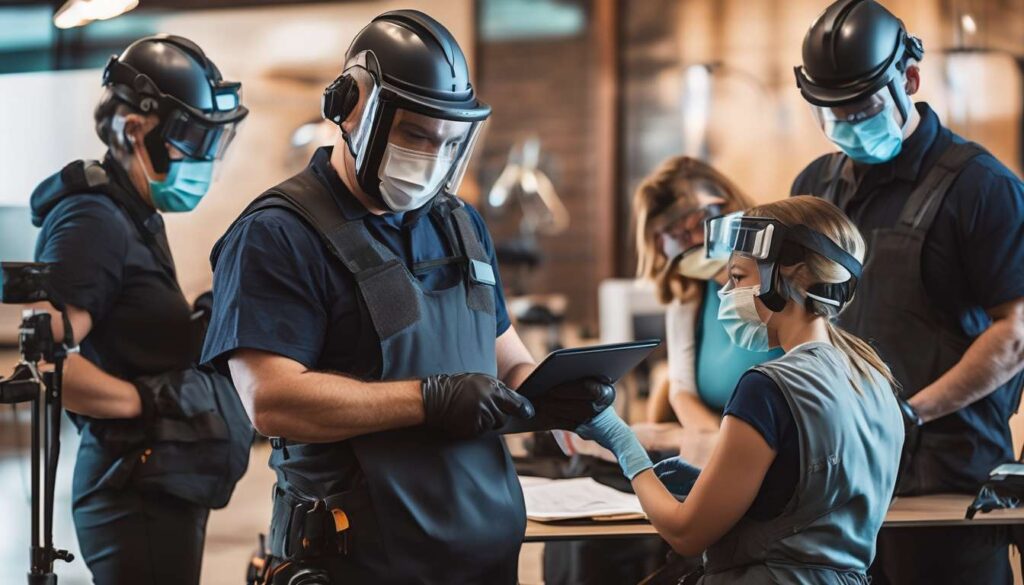
Our workplaces should be as protected as any film set — yet adult film production often faces a stark contrast between on‑camera fantasy and off‑camera vulnerability.
We recognize the unique risks performers, technicians, and support staff encounter.
- Health and consent concerns.
- Inconsistent contracts.
- Uneven access to safety resources.
By comparing industry‑standard protections in mainstream media with the patchwork regulations in adult production, we see gaps that demand attention.
We owe it to colleagues across every role to examine how liability, insurance, testing protocols, and labor rights stack up, and to identify practical steps that strengthen collective well‑being.
This article brings together lived experience, legal analysis, and best‑practice recommendations so we can advocate for clearer standards, enforceable protections, and inclusive policies.
Together, we will:
- Map the disparities between mainstream and adult production protections.
- Propose realistic reforms grounded in existing models.
- Highlight policies and practices that prioritize dignity, safety, and sustainable careers for everyone involved in adult film production.
Industry Safety Benchmarks
We establish clear, measurable safety benchmarks that guide every production decision and hold teams accountable.
We set standards that make everyone feel included and respected.
- Define required consent protocols.
- Implement routine performer health screening.
- Include contractual protections that are non-negotiable.
We spell out metrics so expectations are transparent and shared across crew and cast.
- Testing cadence.
- Emergency response times.
- Documentation audits.
We train together on those measures, review scenarios, and update procedures when new risks emerge.
- Joint training sessions for cast and crew.
- Scenario-based rehearsals (including emergency responses).
- Periodic procedure reviews driven by new risk information.
We agree to accessible reporting channels and third-party oversight to ensure benchmarks aren’t just words but practiced commitments.
- Anonymous and confidential reporting options.
- Clear escalation pathways.
- Independent audits or ombudsperson oversight.
We build contracts that reflect real protections.
- Clear scopes of work.
- Remuneration for boundary changes or additional duties.
- Termination clauses tied to safety violations.
We normalize checking in and make performer health screening part of pre-shoot routines rather than an intrusive exception.
- Regular check-ins built into call sheets.
- Health screening as standard protocol.
We hold regular debriefs to learn, celebrate compliance, and address gaps.
- Post-shoot reviews.
- Lessons-learned sessions.
- Action plans for corrective measures.
We cultivate a production culture where safety benchmarks protect dignity, health, and creative collaboration.
Consent and Communication Protocols
We establish clear, verbal and written consent steps before every scene and keep communication channels open so everyone can assert boundaries or withdraw at any time.
We prioritize consent protocols that are standardized, documented, and revisited whenever circumstances change.
We encourage plain-language scripts of agreed actions, safe words, and check-ins so teammates feel seen and heard.
We pair these practices with performer health screening summaries (kept confidential) to inform risk-aware planning without intruding on dignity.
We create an environment where asking for limits or pausing a take is normalized, and we train crew to respond without judgment.
We embed contractual protections that specify consent scope, the right to stop, and post-scene care, ensuring accountability and clear remedies if agreements are breached.
We hold regular debriefs to learn from near-misses and update protocols together.
By centering mutual respect, transparency, and shared responsibility, we build a workplace where belonging and safety reinforce each other and everyone can work with confidence.
Medical and Testing Standards
We require standardized medical testing, clear reporting procedures, and access to on-call healthcare so production decisions are guided by timely, accurate health information.
We build a culture where everyone feels seen and safe by making performer health screening routine, confidential, and accessible without stigma.
We align testing schedules with shoot timelines, document results securely, and ensure rapid communication when care is needed.
We integrate consent protocols into medical workflows so medical findings inform, but never override, personal autonomy.
We train staff to handle disclosures with empathy and clarity, connecting performers to supportive care and resources.
We maintain transparent chains of custody for test records and limit access to those with a legitimate need to know.
We include contractual protections that guarantee paid hold, treatment accommodations, and privacy safeguards when health concerns arise, reinforcing trust across teams.
By standardizing these practices, we create predictable, respectful systems that prioritize wellbeing and belonging for every person on set.
Contractual Clarity and Rights
We’ll make contracts clear, fair, and enforceable so every team member understands their rights, responsibilities, compensation, and procedures for resolving health or safety issues.
We’ll use plain-language agreements that outline:
- scope of work
- boundaries
- consent protocols
- payment terms
- cancellation policies
- steps for reporting concerns
Everyone’s included: performers, camera operators, makeup artists, and support staff will see identical standards for safety and respect.
We’ll embed performer health screening requirements and confidentiality clauses so medical privacy and well-being are respected without surprise demands.
Contractual protections will guarantee:
- access to rest breaks
- refuse-to-perform clauses when safety is compromised
- independent dispute resolution that is timely and impartial
We’ll ensure contracts are explained verbally and in writing, with time to review and consult counsel if desired.
We’ll maintain a process to update agreements as practices evolve, and we’ll document acknowledgments to build trust.
Clear, shared contracts help us belong to a professional community that values dignity, health, and mutual accountability.
Insurance and Liability Coverage
We will secure comprehensive insurance and clear liability terms so every team member knows what protections exist and how claims will be handled.
We will outline policy types—general liability, professional liability, workers’ compensation, and event-specific coverages—so everyone feels included and safeguarded.
We will reference contractual protections that allocate risk fairly and specify claim procedures, timelines, and dispute resolution steps.
We will require documentation of consent protocols and performer health screening as part of production records, and ensure insurers acknowledge these risk-reduction measures.
Where waivers are used, they will be supplemental to — not replacements for — insurance and clear contractual language.
We will maintain a centralized claims coordinator who supports crew and performers through reporting, medical access, and insurer communications, so no one navigates a claim alone.
We will regularly review policy limits and exclusions with legal counsel and a benefits advisor, adapting coverages as productions evolve.
This approach keeps protections current, transparent, and rooted in mutual respect for safety, dignity, and shared responsibility.
Labor Protections and Pay Equity
We will establish clear labor protections and transparent pay structures so every team member receives fair compensation, understands classification and scheduling, and can access grievance procedures without fear of retaliation.
We insist on contractual protections that define roles, rates, overtime, and cancellation terms, and we make contracts accessible and explained in plain language.
We align classification — employee, contractor, vendor — with labor law and pay equity reviews so similar work earns comparable pay.
We implement consistent scheduling practices and timely payment cycles, and we document hours and fees openly.
We integrate consent protocols and performer health screening into agreements, ensuring safety measures and testing requirements are clearly compensated and optional support is paid when requested.
We create anonymous reporting channels and neutral adjudication for disputes, and we protect workers from retaliation through enforceable clauses and third-party oversight.
We commit to regular audits of pay, benefits, and contractual compliance, and we share results with the team so everyone belongs to a workplace that values fairness, dignity, and labor rights.
On‑set Support Services
We provide on-set support services so performers and crew have immediate, professional help when they need it.
- These services include trained intimacy coordinators, medical staff, mental health responders, and wardrobe/comfort attendants.
- Intimacy coordinators guide consent protocols.
- Medical staff manage performer health screening.
- Mental health responders offer brief interventions and referrals.
- Wardrobe and comfort attendants ensure boundaries are respected and personal needs are met without stigma.
We build a culture where everyone feels seen and secure.
- Clear communication is prioritized: call lines, quiet rooms, and on-call professionals are standard.
- Supervisors and crew are trained to recognize when to activate services and to honor requests without judgment.
We align supports with contractual protections to make help predictable and enforceable.
- Contracts explicitly describe availability, scope, and response times.
- Services are embedded in terms that protect work and wellbeing.
By integrating practical resources with compassionate practices, we create a workplace where belonging and safety coexist.
- Everyone knows help is available, accessible, and part of the conditions that protect their work and wellbeing.
Implementation and Enforcement Strategies
Establish clear procedures, accountability measures, and regular audits.
- Clear procedures ensure on‑set services are activated, documented, and enforced.
- Regular audits verify compliance and identify gaps for remediation.
- Accountability measures hold responsible parties to defined standards.
Train every team member on consent, reporting, and advocacy.
- Train on consent protocols, reporting pathways, and the role of on‑site advocates so everyone knows how to act and who to trust.
- Ensure training is standardized, documented, and refreshed regularly.
Schedule routine performer health screening with privacy and rapid response.
- Implement routine health screenings with confidential records.
- Define rapid response steps for health or safety concerns.
- Balance privacy and safety in all health procedures.
Embed contractual protections and make standards non‑negotiable.
- Place protections in every agreement so expectations are clear and enforceable.
- Specify explicit consequences for violations to create shared expectations and belonging.
Appoint independent compliance officers and rotate peer‑review panels.
- Use independent compliance officers to reduce conflicts of interest.
- Rotate peer‑review panels to reduce bias and maintain transparency.
Use checklists, digital logs, and publish anonymized audits.
- Use checklists and digital logs to document services, incidents, and remedial actions.
- Publish anonymized audit summaries to build community confidence.
Commit to continuous improvement.
- Collect feedback from all stakeholders.
- Update protocols based on findings and best practices.
- Enforce sanctions consistently where appropriate.
By aligning procedures, health measures, and contractual protections, we create an accountable environment where everyone feels supported and respected.
How do production companies handle mental health and emotional aftercare for performers and crew following particularly intense or traumatic scenes?
Companies support mental health after intense scenes through immediate and ongoing measures.
Immediate emotional support:
- Immediate debriefs to talk through the scene and normalize reactions.
- Access to on-site or on-call counselors for same-day emotional care.
- Safe spaces where people can process feelings privately and without judgment.
Short-term follow-up and rest:
- Scheduled check-ins in the days following the scene to monitor wellbeing.
- Peer support systems so colleagues can offer understanding and shared experience.
- Flexible scheduling and time-off options to allow rest and recovery.
Clinical referrals and crisis resources:
- Referrals to therapists and trauma-informed services for continued care.
- Information and access to crisis lines when urgent help is needed.
Training, consent, and aftercare practices:
- Staff training in consent, boundaries, and trauma-informed approaches.
- Formalized aftercare protocols so support is consistent and reliable.
- Prioritization of confidentiality and empowerment of individual choice in follow-up care.
Adaptive, person-centered approach:
- Support tailored to each person’s needs and preferences.
- Ongoing evaluation and adjustment of supports to ensure they remain appropriate.
What steps are taken to ensure subcontractors (e.g., freelance camera operators, makeup artists, location scouts) adhere to the same safety and consent standards as core production staff?
We require subcontractors to complete onboarding and sign clear contracts that mirror core staff policies.
This includes trainings equivalent to those given to core staff, so everyone shares the same expectations.
We verify qualifications and readiness by checking references, confirming certifications, and running orientations.
Consent and on-set safety are enforced through written consent forms, on-set advocates, and incident-reporting channels that are available to freelancers.
Compliance affects pay and renewal decisions via explicit contract clauses.
We follow up with regular feedback and formal reviews to ensure ongoing adherence and improvement.
How are accommodations made for performers or crew with disabilities, chronic health conditions, or religious observances that affect scheduling, wardrobe, or on‑set activities?
We prioritize inclusive scheduling and flexible accommodations for performers and crew with disabilities, chronic conditions, or religious needs.
We consult individuals about timing, wardrobe modifications, rest and medical needs, and private spaces for prayer or medication.
We’ll adjust call times, provide accessible sets, allow breaks, and document agreed changes in contracts.
We respect confidentiality, collaborate on alternatives, and ensure everyone feels safe, valued, and able to work without compromising health or beliefs.
Conclusion
You’ve outlined concrete, worker-centered protections that make adult film sets safer, fairer, and more professional.
By adopting clear consent protocols, medical standards, equitable contracts, and adequate insurance, you’ll protect performers and crew while reducing liability.
Prioritizing labor rights, transparent pay, on‑set support, and enforceable implementation turns policy into practice.
If you commit to these benchmarks and hold productions accountable, you’ll foster a sustainable industry that respects dignity, health, and safety for everyone involved.